
Updated: 25 Aug 2026
Significant changes are taking place for the ECEC sector.
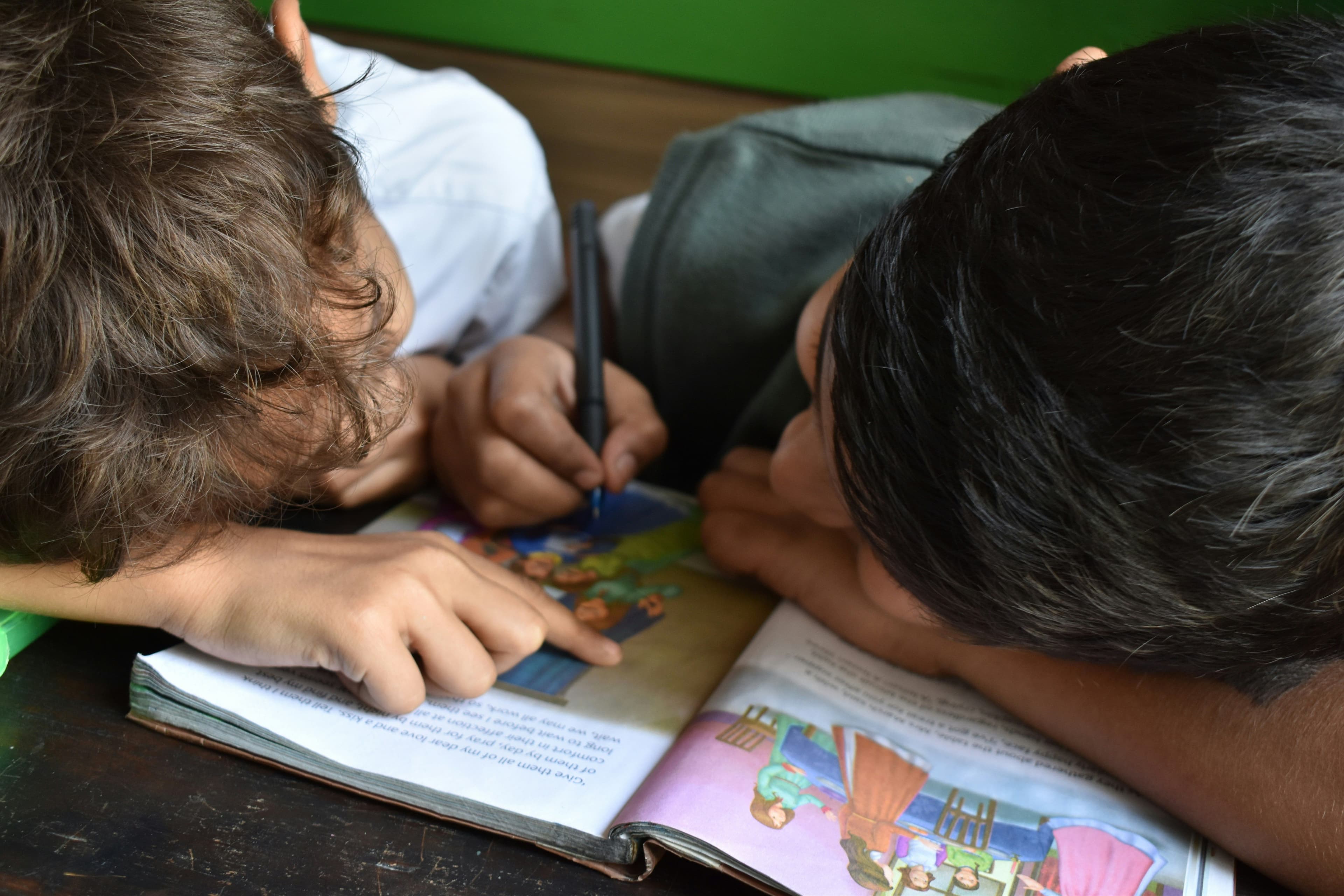
2026 NPRM: Head Start Program Performance Standards: On August 7, 2026, the Department of Health and Human Services (HHS) opened a 60-day public comment period for its proposed rule “Reducing Federal Burden for Head Start Programs.” The notice of proposed rulemaking (NPRM) would rescind over 90% of the Head Start Program Performance Standards, which have historically provided clear guidance for implementing the Head Start Act, the federal law that authorizes and funds Head Start. Among other changes, the proposal would remove standards related to the health, quality, and safety of programs. This includes shifting licensing requirements to state childcare licensing standards (for example Illinois, center child-to-staff ratios would increase across all age ranges), eliminating most requirements around curricula and teacher training, removing child safety requirements like continuous supervision, and removing implementation requirements for developmental screenings. The proposed rule would also reduce and/or remove services for children with disabilities, multilingual families, and children experiencing homelessness.
27,742
children are enrolled in a Head Start program
9,045
staff are employed in a Head Start program
100%
of Illinois counties served
8%
Illinois children currently enrolled in Head Start may become ineligible due to new requirements around documentation
Impact
Head Start Performance Standards are widely regarded as the gold standard to follow for the health, safety, and quality of early childhood programs. They provide clear guidance and timelines for implementing the Head Start Act, helping ensure children and families receive consistent, timely, and high-quality services. Removing or reducing these standards could weaken program quality and create inconsistent service delivery. For example, leaving implementation for developmental screenings up to programs could create confusion and delays in service delivery, referrals, and other supports. Similarly, Head Start’s current child-to-staff ratios reflect decades of research around the importance of high-quality early learning environments. Moving to state licensed childcare ratios lowers the benchmark on best practice for staff-to-child ratios and in some states, risks doubling the amount of children-to-staff.
The proposed changes also diminish access to critical comprehensive supports that children and families rely on, particularly children with disabilities and multilingual learners. Under the Head Start Act, programs are required to offer education and behavioral services to meet the needs of children with disabilities both before and following eligibility for the Individuals with Disabilities Act. The NPRM risks limiting access for children in need of these services and delaying critical connection to screenings, early intervention, and other specialized supports that are demonstrated to impact long-term outcomes. Similarly, the NPRM threatens Head Start’s longstanding commitment to serving dual language learners and their families. Under the Head Start Act, programs are required to provide culturally and linguistically appropriate instructional services. By mandating English-only instruction and removing supports for dual language learners, the NPRM could undermine the cultural, linguistic, and developmental needs of dual language learners and their families.

Possible Federal Action:
- Members of Congress may consider sending a letter to Secretary Kennedy voicing concerns over the NPRM and requesting that HHS withdraw the NPRM.
- Advocates should relay to their Congressional representatives the impacts of this NPRM and its repercussions on programs, families, and children. In turn, members of Congress will hopefully use their platform to raise awareness about rescinding the proposed rule.
- In addition to pushing for the rescission of the NPRM, Congress should prioritize increasing Early Head Start and Head Start funding. This can include weighing in with relevant committees and signing onto future “Dear Colleague” letters, which can be used to demonstrate to appropriation committees how many members of Congress support funding for a program.

Possible State Action:
- The Illinois General Assembly might consider investing state funding for Head Start and Early Head Start programs and staff.
- Advocates may consider submitting public comment on the NPRM by October 6th, 2026.
- Head Start programs and advocates should continue communicating to families, community members, and policymakers that the proposed rule is not final and does not alter how Head Start programs operate today.
HEAD START RULE PROVISIONS: On May 12th, 2026, the Department of Health and Human Services (HHS) published a Notice of Proposed Rulemaking (NPRM) entitled “Restoring Flexibility to Improve Head Start Access” that would rescind Head Start wage and benefit requirements which were established in 2024 rulemaking. The 2024 rule created requirements designed to increase compensation levels to address staffing shortages. These included calling for Head Start staff pay parity with public schools, wage floors, and benefits. The rule would have increased Head Start salaries by an average of $10,000.
25,112
Illinois families rely on Head Start
9,045
Total Illinois Head Start staff
$27.7k
Is how much less the average Illinois Head Start teacher makes compared to K-12 teacher
2%
Reduced Head Start turnover since the 2024 rule
Impact
Head Start staff provide critical care to children and families, yet face historically low wages and benefits, leading to high turnover rates and unfilled teaching positions. By removing Head Start wage and benefit requirements, the proposed rule could diminish progress made in recruiting and retaining this essential workforce by keeping wages and benefits low, weakening workforce quality, and reducing the number of slots available for families needing care. At the same time, any changes to Head Start federal rules should be aligned with sufficient federal funding to ensure local programs can offer competitive wages and benefits needed to attract and retain high-quality candidates.
Possible Federal Action:
- Members of Congress may consider sending a letter to Secretary Kennedy voicing concerns over the NPRM and requesting that HHS rescind the NPRM and maintain the provisions put forth in the 2024 ruling while also allocating the funding necessary for centers to adhere to the requirements. (See the letter Illinois Congresswoman Nikki Budzinski (IL-13) sent along with other members in May 2025.)
- Congress should prioritize increasing Early Head Start and Head Start funding, including weighing in with relevant committees and signing onto future “Dear Colleague” letters, which can be used to demonstrate to appropriation committees how many members of Congress support funding for a program.
Possible State Action:
- The Illinois General Assembly should consider investing in Head Start and Early Head Start programs.
CCDF NEW RULE PROVISIONS: On May 12th, 2026, the Department of Health and Human Services (HHS) published its final rule for the Child Care Development Fund (CCDF), rescinding CCDF provisions from the 2024 final rule established under the Biden administration. Specifically, states are no longer required to limit co-pays to 7% of family income, use grants or contracts to expand childcare supply to underserved populations, pay providers prospectively, and pay providers based on enrollment rather than daily attendance. This new rule went into effect on July 13th, 2026.
209.2k
Illinois children served by CCAP
$335 mil.
In annual CCDF funding received by Illinois
14%
Is the average amount of income an Illinois 2-parent family spends on center-based childcare
74%
Is the average amount of income Illinois families at or below 100% FPL spend on center-based childcare
Impact
Rescinding the 2024 provisions runs the risk of destabilizing the childcare sector and exacerbating childcare access and affordability challenges. For example, while Illinois’ CCAP limits co-payments at 7%, the new rule allows Illinois to raise this co-payment ceiling, meaning families could pay more for childcare. Similarly, Illinois does not currently pay its providers based on enrollment and will not be required to do so. Additionally, by not requiring states to ensure that grants and contracts prioritize increasing access to care that is hardest to find, such as care for infant and toddlers, children with disabilities, and in rural areas, the supply for these critical demographics may well decrease.
Possible Federal Action:
- Congress should continue to invest in critical early childhood programming including the Child Care Development Block Grant (CCDBG), the Preschool Development Grant (PDG), Head Start and Early Head Start funding, and the Individuals with Disabilities Act (IDEA) Part B and C. These investments would help expand access to affordable childcare, retain qualified early educators, and increase Illinois' capacity to build a coordinated early childhood system.
- Members of Congress might sign onto future “Dear Colleague” letters that prioritize increasing Child Care Development Block Grant funding.
- Members of Congress might send a letter to Secretary Kennedy voicing their concerns over this final rule change, explaining how it may disrupt childcare.
- Congress may consider reviewing and supporting the Congressional Review Act which would repeal the CCDF final rule and maintain 2024 rule provisions.
Possible State Action:
- The Illinois Department of Early Childhood might consider safeguarding CCAP from federal changes, including allowing childcare providers to be paid prospectively and based on enrollment, maintaining 7% co-payment levels, and allocating grants to underserved populations.
- Advocates should monitor Illinois’ Child Care Assistance Policy Manual and relevant committees at the Illinois Department of Early Childhood to ensure the agency strengthens policies to improve affordability for families and support increased stability for providers.
CHILDCARE FUNDING: In January 2026, the Trump administration attempted to freeze $10 billion in childcare and social services programs in 5 states, including Illinois, without investigation. On July 8th, the administration reversed its decision to freeze funds, following a judicial block on the freeze. Recently, the U.S. House of Representatives passed the Stop Child Care Scams Act of 2026, which would grant the Department of Human Services expansive accountability powers like the ability to withhold a state’s childcare funds based on factors like administrative errors, debar childcare providers operating in good faith, and create state sanctions that may not be proportional to the degree of noncompliance. Fraud is unacceptable, and it is critical that steps are taken to ensure children receive safe, high-quality care. That said, unilaterally freezing a state’s childcare funds prior to a full review destabilizes the childcare sector and denies families critical access to childcare programs.
Impact
Effective oversight and accountability measures to prevent fraud are critical to ensuring federal funds are being appropriately and fully distributed. At the same time, efforts to reduce fraud must be targeted and designed to minimize disruption for families. Withholding critical funds creates uncertainty, fear, and destabilizes families and childcare providers alike, all of whom rely on consistent funding to ensure children are safe and can access the care they need.
Possible Federal Action:
- The Senate may consider not taking up the “Stop the Child Care Scams Act of 2026” and instead advance bipartisan solutions to support childcare access and affordability. Members of Congress might also consider using their platform to bring attention to the various standards, procedures, and accountability measures already in place to ensure the integrity of licensed childcare programs.
- Congress may request the Government Accountability Office (GAO) to investigate the legality of withholding block grant funds and whether the Executive Branch had the power to do so.
- Congress should continue to invest in critical early childhood programming including the Child Care Development Block Grant (CCDBG), the Preschool Development Grant (PDG), Head Start and Early Head Start funding, and the Individuals with Disabilities Act (IDEA) Part B and C. These investments would help expand access to affordable childcare, retain qualified early educators, and increase Illinois' capacity to build a coordinated early childhood system.
Possible State Action:
- The Illinois Attorney General’s Office, advocates, and the Illinois General Assembly should continue monitoring, advocating against, and blocking ill-advised federal funding freezes to the childcare system.
“DO NO HARM” PROVISION: Under OBBBA, certain higher education programs must demonstrate that their graduates earn more than those who have earned a lower-level diploma (i.e., high school diploma versus undergraduate degree, or undergraduate versus graduate degree). This provision went into effect July 1st, 2026, and includes early childhood education.
73%
Of registered Illinois early childhood teachers have some college education
37%
Gap between Illinois childcare supply and need in 2025
$40.6k
Average early childhood educator pay per year
$43.8k
Average pay for an Illinois high school graduate per year
Impact
While perhaps a well-intentioned effort to ensure programs are offering real value to students, it is overbroad when applied to a chronically under-compensated field like early childhood. Higher education programming equips prospective early childhood educators with the tools, skills, and supports they need to enter the classroom. Sadly, this in-demand workforce earns historically, persistently low wages and benefits, often earning less than the average Illinoisan with a high school diploma. There is the very real danger that, through no fault of their own, early childhood degree programs will run afoul of “do no harm” provisions, potentially causing closure of programs that are badly needed to grow the pipeline of childhood educators at a time when shortages are urgent and widespread.
Possible Federal Action:
- Congress should review the available data and research to better understand the impact on early childhood educators, and potentially consider exempting this field from OBBBA’s “Do No Harm” provision.
- Advocates should continue letting their Congressional representatives know about any harmful impacts of OBBBA and its repercussions on early childhood educators and the early childhood educator pipeline. In turn, members of Congress could use their platform to bring attention to the critical importance of the early childhood workforce and create legislation that supports and strengthens pipelines.
Possible State Action:
- The Illinois General Assembly can and should invest in affordable, accessible higher education pathways for early childhood educators, such as increased funding for ECACE.
- The Illinois General Assembly should work to grow wages for early childhood educators, including investing in Smart Start Workforce Grants. Such investment will help lift wages above the earnings/"do no harm" threshold.

Learn how federal changes are impacting Illinois school communities
How have you seen federal changes impact early childhood in your community?
Share Your StoryMake Your Voice Heard
Illinois families, educators, and community members can help ensure public education works for every child and student. Learn about concrete actions to start taking today.